Crawl space insulation in Kennewick WA - warmer floors and sealed gaps underneath
Cold floors and a power bill that keeps climbing usually start below the house. We seal the gaps first, then insulate snug between the joists.
- Fully licensed and insured.
- Free on-site estimates.
- Expect a reply within 1 business day.
Two ways we handle crawl space insulation
Insulating the floor above
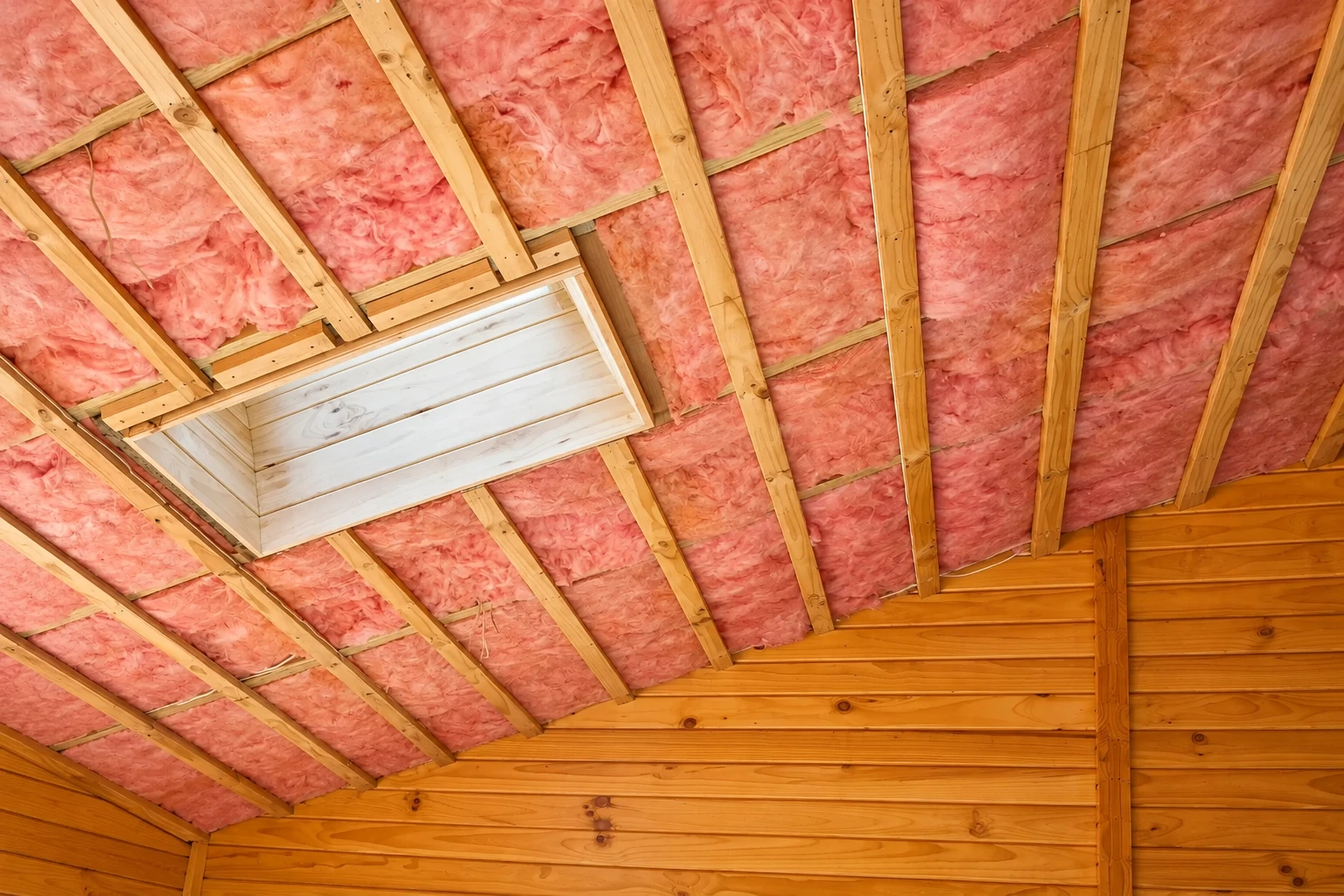
Insulation fits tight between the floor joists under your living space and the crawl space stays vented, which suits most houses with no ducts running underneath.
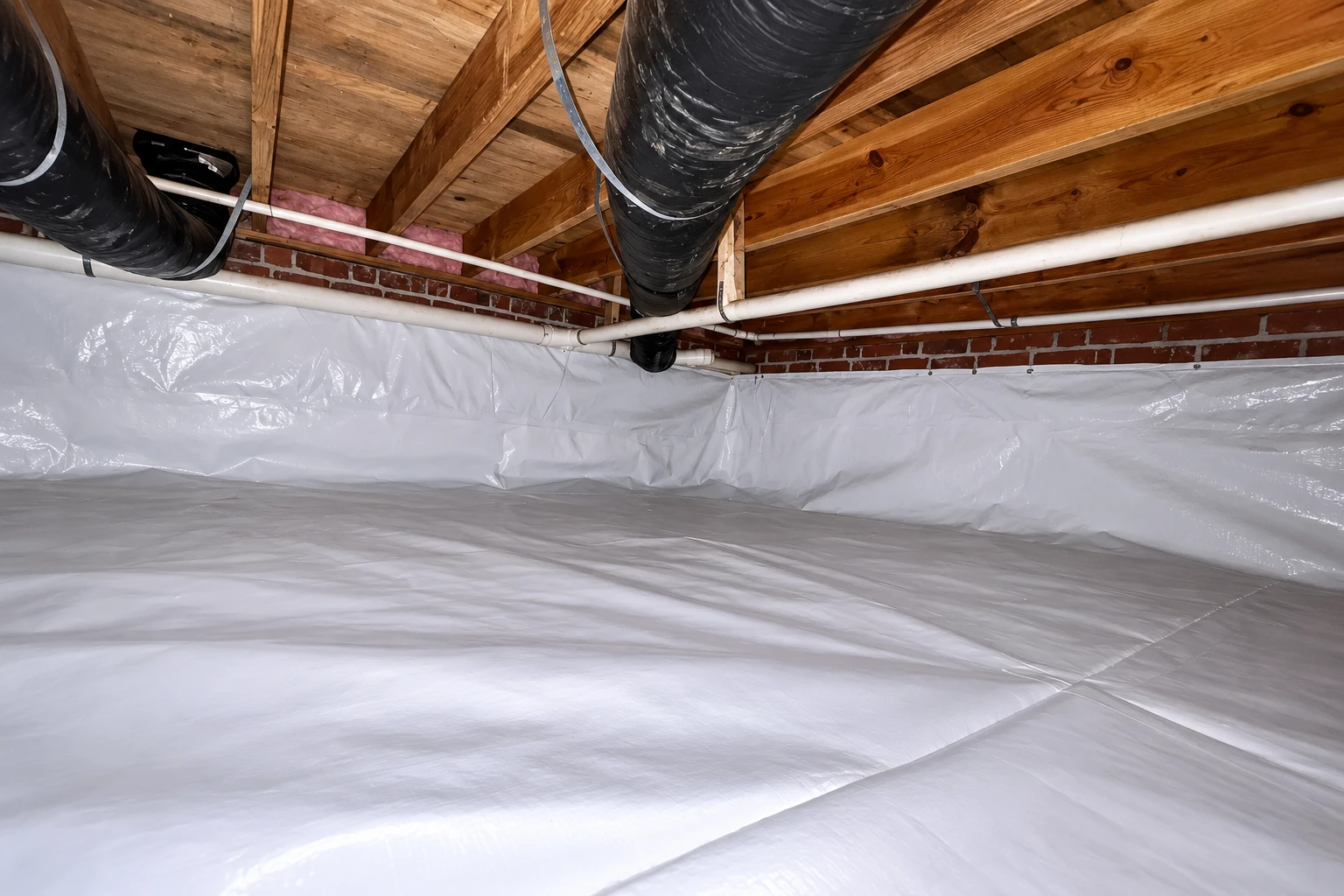
Closing the crawl space
The vents get shut and the ground and walls get covered and sealed. It's a bigger job, and any equipment down there that burns fuel has to be sorted out first.
Should I insulate under the floor or close the crawl space?
Crawl space insulation in Kennewick, WA means either insulating the floor over your crawl space or closing off the crawl space itself, and either path changes how warm your floors feel and how much moisture stays under the house.
Most calls start with cold floors, a drafty room or a power bill that keeps going up, and the cause is usually gaps in the subfloor plus insulation that's thin, wet or missing. What moves the price is the size of the floor, how much room there is to work down there, whether old material needs insulation removal first, and which of the two paths fits your house. The schedule turns on what has to happen before we start, like a repair or a check on old pipe wrap, and I'll only know that once I've been under the house. My written estimate lays out each step in order so you can see what you'd be paying for. We're based in Kennewick and work across the cities around it on both sides of the state line.
Crawl space insulation and the sealing around it
Before we talk about vents or insulation, I look for ducts and anything that burns fuel under the floor, because those decide whether we insulate the floor or close the space.
Check what's down there
We look for ductwork, a furnace or water heater, and old insulation that's soaked or fouled, because any of those changes the plan.
Clear out what can't stay
Wet or droppings-filled insulation comes out first, since new material laid against it just keeps the same problem under your floor.
Seal the holes first
We seal the holes around pipes, wiring and the rim joist on the foundation, the same work our air sealing services do upstairs.
Fit insulation snug
We fit insulation snug between the joists, no gaps or crushed spots, and point out when wall insulation would help a cold room more.
Why Kennewick homeowners choose Reliable Kennewick Insulation Services
I care most about the parts nobody sees once we leave, like the back wall of a crawl space and the far corners under the floor. If something needs fixing before we start, I'll tell you plainly instead of working around it. Call (509) 396-5461 to set a time.
I come out, then I check the work
I look at every crawl space myself before we quote it, our installers do the work, and I check it before we call the job done. Satisfaction guaranteed.
Sealing before insulating since 2013
I learned this trade on another contractor's crew and have run this business since 2013, and we're best known for sealing the gaps before any insulation goes in.
Fully licensed and insured on every job
We're fully licensed and insured, and the back corners of your crawl space get the same care as the spot by the hatch, because that's where shortcuts usually hide.
What happens after you call about your crawl space?
We plan a crawl space job around what's actually under your house and how the house has been behaving, so you see the whole plan in writing before anyone starts.
or call (509) 396-5461
Call or send the form
Call (509) 396-5461 or fill out the form, and we'll set a time for me to come out to your house.
I look under the house
I go through the crawl space, check for ducts and anything that burns fuel, and ask how the house has been behaving, like cold rooms or rising bills.
Written estimate, then the work
You get each step in order with the reason it comes there. Our installers do the work, and I walk you through it once I've checked it.
Get a written plan for your crawl space and floors
Tell us your house's age and whether ducts or anything that burns fuel sits under the floor, and we reply within one business day to set my visit. The on-site estimate is free, with no pressure to book.
Crawl space questions we hear most
How much does crawl space insulation cost in Kennewick?
Across the US, crawl space insulation usually costs about $3 to $6 per square foot, so treat that as the going rate for the work, not a quote for your house. The floor area and which path fits your house decide where yours lands, and your written estimate lists each step so you can see what it covers.
Should I just seal my crawl space vents?
No, shutting the vents by themselves can raise the moisture under your house, and if a furnace or water heater down there draws its air naturally, it can create a deadly situation. Research on homes in the dry climates of the western US found vented and closed crawl spaces both worked well enough for humidity and energy use as long as no ducts ran down there, so with ducts below the floor there's more to weigh. I'd want to see the space before recommending either.
How much floor insulation does Washington's energy code call for?
The state energy code sets R-30 as the minimum floor R-value, the measure of how well insulation slows heat, for Climate Zone 5 and Marine 4. It's a fair number to ask every contractor about, so you know two quotes cover the same floor.
How do I check a contractor's registration in Washington?
Look the contractor up in the Verify a Contractor, Tradesperson, or Business tool from the Washington State Department of Labor & Industries, which lists registered contractors. The state requires every construction contractor to register there, and state law requires them to be bonded and insured. It's worth checking before you sign with anyone, us included.
How do I know if my old crawl space has asbestos?
Older crawl spaces might have asbestos-based wrap on the ductwork and plumbing pipes, and if any turns up, a certified asbestos abatement firm has to inspect it and decide how it's treated. If I see wrap like that, we leave it alone and tell you, because that check comes before any insulation goes in. It adds a step, and I'd rather put it on the estimate than find it halfway through.
Is spray foam safe to use in a crawl space?
It can be, as long as it's covered the way the code expects, since most codes require a thermal or ignition barrier, a covering that keeps heat and flame off the foam, because some foams can release toxic or flammable gases when heated. Several foam products have been designed and tested to cut down or remove that risk. When we use foam, usually along the rim joist, the covering is part of the plan from the start.
Other work that helps cold floors
Wall insulation
When a room still runs cold after the floor is done, the walls are often letting heat out, and insulating them can even out the temperature between rooms.
Explore Wall insulationAir sealing services
Drafts slip through small gaps around pipes, wiring and the attic hatch, and sealing those first lets the insulation in every part of the house do its job.
Explore Air sealing servicesCrawl space vapor barrier
If the plastic over the dirt under your house is ripped, missing or lying loose, replacing it keeps ground moisture away from your new floor insulation.
Explore Crawl space vapor barrier
Crawl space insulation in Kennewick under Washington's rules
Washington's residential code requires a ground cover of black polyethylene, or an approved equal, laid over the ground in crawl spaces. The same code lists conditions under which a crawl space needs no foundation vents, and that list names bare ground covered by a continuous, sealed Class I vapor retarder, the most moisture-tight class of sheeting, with a radon system, and continuously operated mechanical exhaust ventilation to the outside. Before work starts, we check with the city or county building office on whether your job needs a permit and take care of it with them when it does, since rules differ from one city to the next.
Under houses here we often find the plastic torn or pushed aside and ductwork running below the floor, and we see the same on jobs in Pasco and Richland. Both get looked at before any insulation goes up.