Blown-in insulation in Kennewick WA - attic fill that lies even out to the eaves
Hot upstairs, cold floors or a climbing power bill often start in a thin attic. We seal the gaps, then blow it full and level.
- Fully licensed and insured.
- Free on-site estimates.
- Expect a reply within 1 business day.
Blown-in insulation for attic floors
Blown cellulose
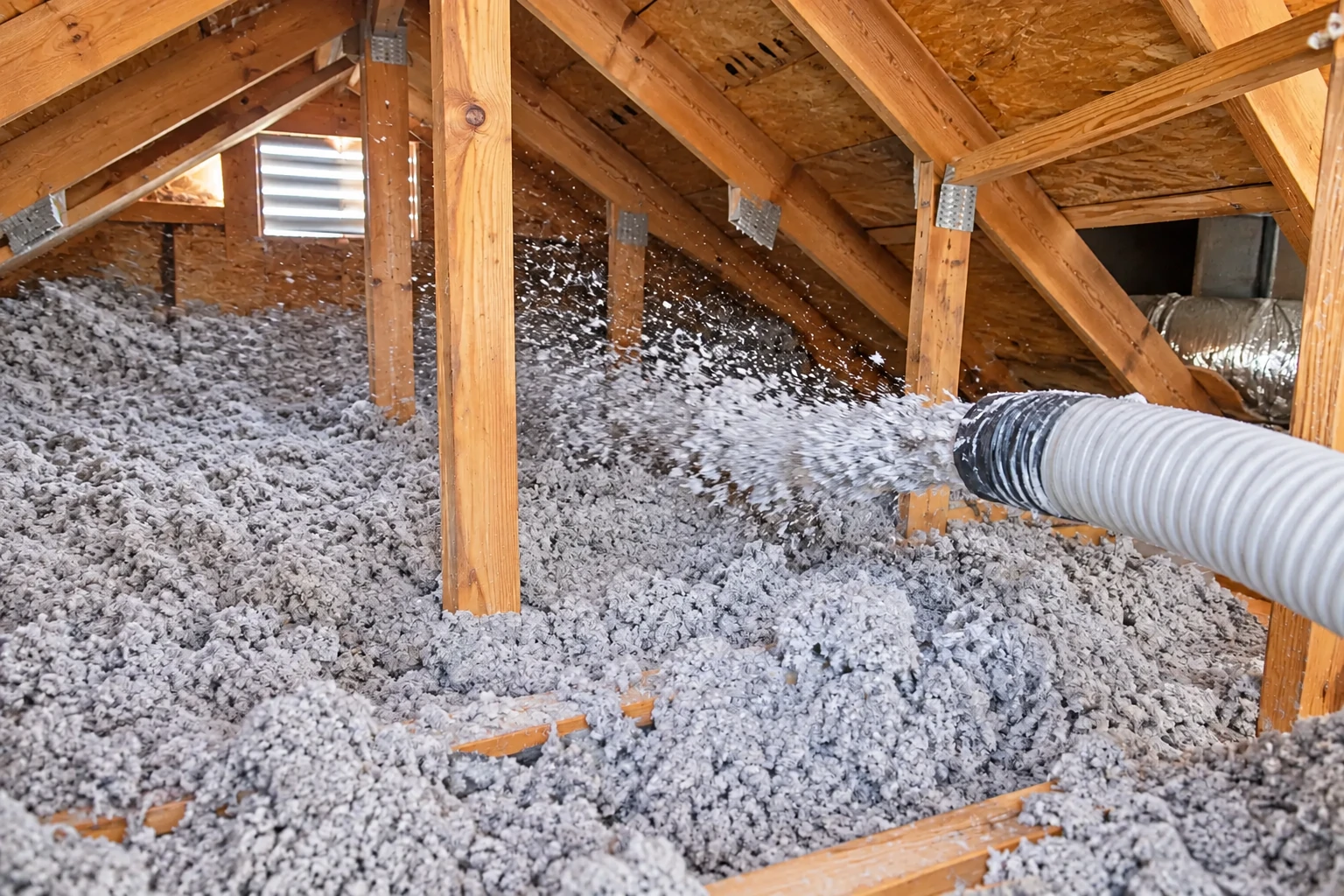
Shredded paper treated to resist fire, blown loose across the attic floor. It packs into odd corners well and suits older attics with uneven framing or very little up there now.
Blown fiberglass
Loose glass fiber blown across the attic floor. It's light on the ceiling and doesn't hold water, so it suits topping up an attic that already has fiberglass.
Is blown-in insulation the right fix for my Kennewick attic?
Blown-in insulation is loose fill, usually cellulose or fiberglass, blown through a hose into an even layer across your attic floor, and for many Kennewick houses with a thin or patchy attic it's the most direct way to slow the heat moving through the ceiling.
Most calls start with a hot upstairs, cold floors or a power bill that keeps climbing, and in an older house the thin attic floor is usually a big part of it. The price moves with the size of your attic, how many inches are already up there, how many gaps need sealing and whether old material has to come out first. The schedule turns on clearing the attic and on anything up there that needs fixing before we start, and your estimate writes out what we'd do and why, so you see your own figure before you decide.
Prep, sealing and blown-in insulation, in order
What your attic needs depends on what's up there now and what's leaking through the ceiling, and sometimes the answer is a wider look at your home insulation than the attic alone.
Clearing the attic floor
We ask you to move stored boxes and things out first, so the fill can lie level across the whole attic floor.
Dealing with old fill
Wet or droppings-filled material comes out first through insulation removal, since new fill on top only buries the problem.
Sealing the openings
We seal around can lights, pipes, wiring and the hatch before blowing, so the fill isn't fighting air leaking up from the rooms.
Even depth to the edges
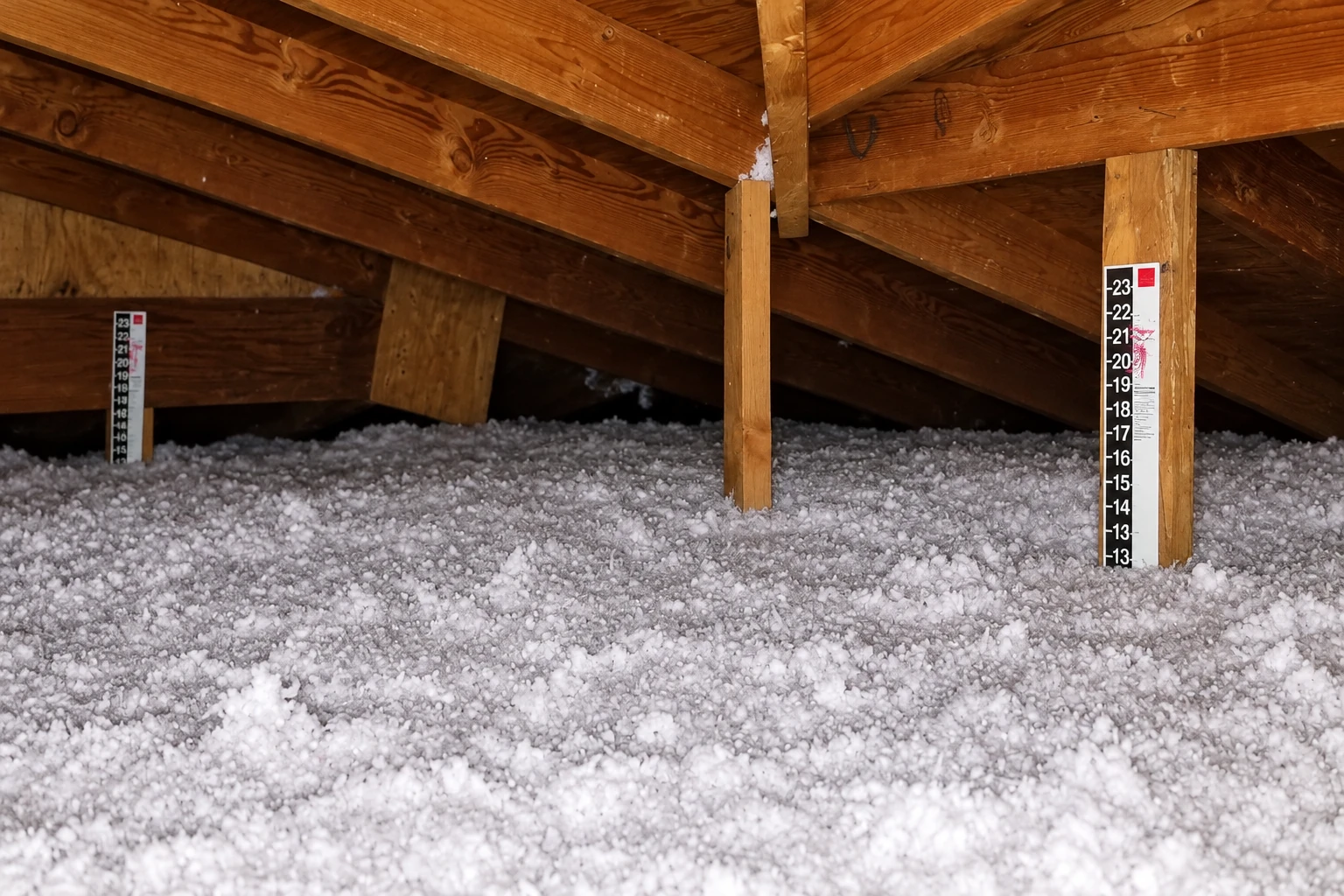
Chutes at the eaves keep the fill off the vents so the attic still breathes, and we blow the edges as deep as the middle.
Why homeowners choose Reliable Kennewick Insulation Services
We're known for careful attic and crawl space work, and I care most about the far corners nobody looks at once we leave. If something in your house needs fixing first, I'll tell you plainly, so call or send the form when you're ready.
The owner checks every finished attic
Our installers do the blowing, and before we call any job done I go over their work myself and walk you through what we did and why.
In business since 2013
I learned insulation on another contractor's crew and started this business in 2013, so you're hiring someone who has opened a lot of attics and knows where these jobs usually go wrong.
Fully licensed and insured
We're fully licensed and insured, and I'd rather you understand what each part of the job is for before you agree to pay for it.
What happens when you call about blown-in insulation in Kennewick?
We plan the job around your house and what you've noticed in it, and I don't price anything until I've seen what's actually up in your attic.
or call (509) 396-5461
Call or send the form
Call (509) 396-5461 or send the form, and we'll set a time for me to come out to your house.
I look at the attic
I check how deep and how clean the old fill is, the openings through the ceiling and the wiring, and ask how the house has been behaving.
You get it in writing
Your estimate lists each step in the order we'd do it and why it comes there, so you know what you're paying for before you agree.
Ask for an estimate on sealing and blown-in insulation
Tell us your home's age, whether it's the attic, the walls or both, and if you know of vermiculite or knob and tube wiring. We'll reply within one business day about a free on-site estimate, with no obligation.
Blown-in insulation questions we hear
How much does blown-in insulation cost in Kennewick?
The price for your house comes from the visit, because what swings it most, like old fill that has to come out or a lot of openings to seal, only shows once I'm up there. Spray foam costs more because it seals air while it insulates, but sealing the gaps and topping up with loose fill usually wins unless your ductwork runs through the attic. We'll put the figure in writing after we look.
Can blown-in insulation go into my existing walls?
Usually yes, through drill and fill, a common method that blows insulation into each wall cavity through small holes near the top without tearing the wall open. The holes can go on the inside or the outside of the wall, so you can choose which side of the house the work happens from. Our wall insulation page covers that job.
What happens if my attic has vermiculite or knob and tube wiring?
One national attic checklist says work stops if the old fill is vermiculite, the gray-brown pebbly kind that may contain asbestos, and that insulation goes in only after live knob and tube wiring, the old cloth-covered wire run on porcelain knobs, is replaced or properly boxed in. Either one changes the plan before any new fill goes up. If I find it on the visit, I'll tell you plainly before we plan anything else.
How do I know if my attic needs repairs before insulation?
Look for water stains on the ceiling or roof boards, damp spots, sagging framing and signs of mice or other pests, because those need fixing before insulation covers them. The same national checklist has the attic inspected for leaks, moisture, structural and pest damage, and gives the homeowner a list of needed repairs before work begins. I look for all of it on the visit and write down anything that has to come first.
How do I check an insulation contractor in Washington?
Use the state Department of Labor & Industries, called L&I, which has tools to verify a contractor is registered and has a valid bond and insurance. Washington requires every construction contractor to register with L&I, and state law requires them to be bonded and insured. Look up anyone you're thinking of hiring before the work starts.
Do we have to leave the house while you blow in insulation?
Usually not, because the fill goes in from the attic and the dust stays up there with it. We lay covers between the door and the hatch, and keeping pets in a closed room while the blower runs makes the day easier on them.
Work that often goes with it
Insulation removal
If old fill went flat from a roof leak or rodents moved in, taking it out gives the new insulation a clean, dry floor to start from.
Explore Insulation removalHome insulation
If the attic is only part of why some rooms run hot or cold, a look at the whole house shows where else the heat is getting out.
Explore Home insulationWall insulation
Older houses often have empty or slumped wall cavities, and filling them helps the rooms along outside walls stop feeling cold and drafty.
Explore Wall insulation
Blown-in insulation around Kennewick and the state rules behind it
Washington's energy code decides whether open-blown loose fill suits your attic at all. It allows it where the ceiling slopes no more than 3 feet in every 12, which covers a flat ceiling, and where there's at least 30 inches of clear space from the top of the ceiling joist or truss up to the underside of the roof boards at the ridge. The code also calls for a dam, baffle or retainer, a short barrier, wherever loose fill goes in, so it can't spill into the rooms or slide from a higher part of the attic into a lower one. On the visit I check the slope and the headroom, and where your attic steps down or opens at the hatch, we build that barrier before we blow.
Around Kennewick we see plenty of older houses with a few thin inches on the attic floor, plus additions and rooms over the garage where the attic changes height. We meet the same houses on jobs in Pasco and Richland, and we handle them the same way.